
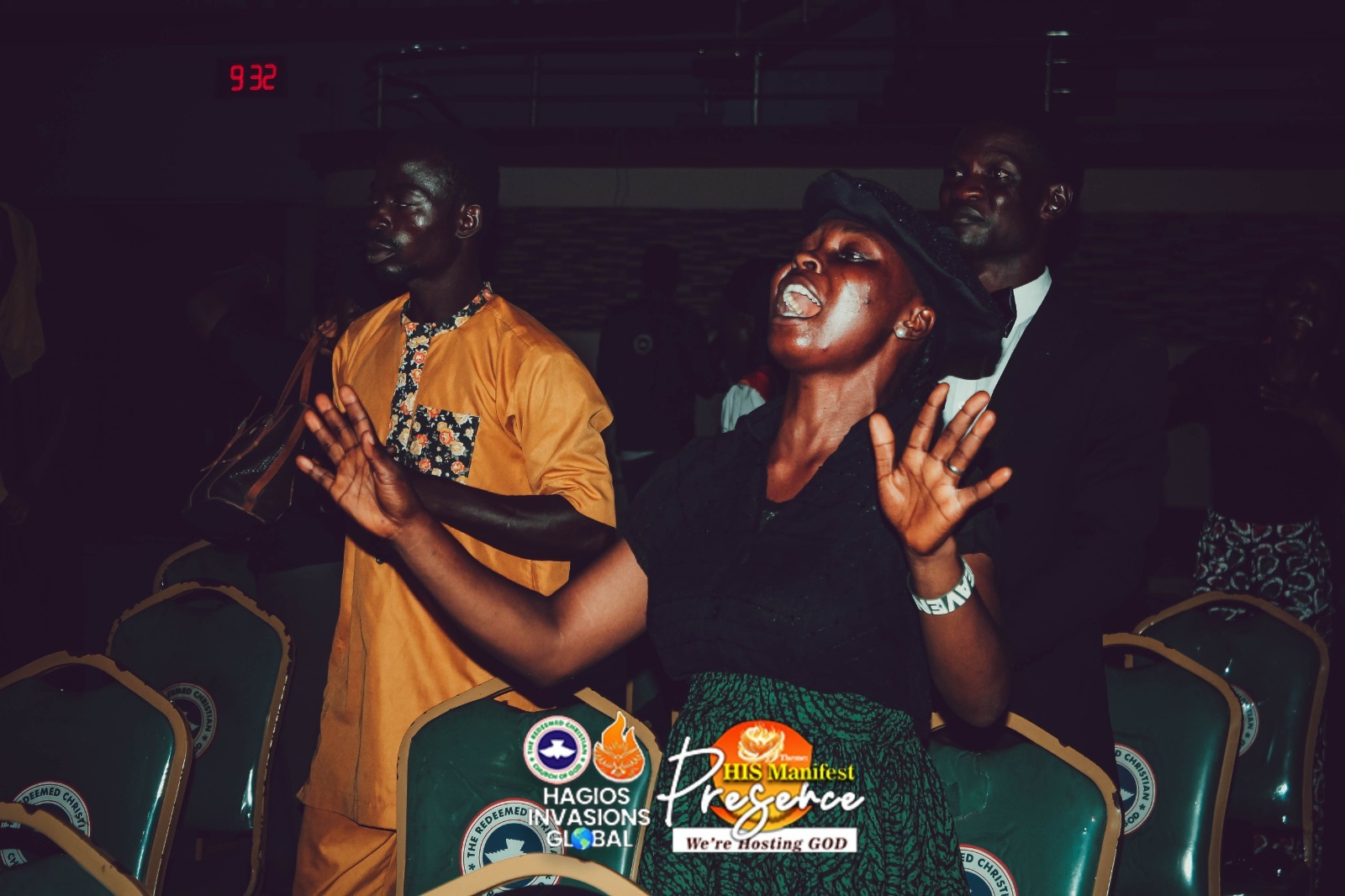
🔥 Building a Consistent Prayer Altar
In every season of spiritual awakening, one truth remains constant: revival is born on the altar of prayer. Long before public manifestations of God’s power, there are hidden places where believers meet God consistently, passionately, and sincerely. These private encounters become the foundation for public transformation.
A prayer altar is not merely a physical location or a religious routine. It is a lifestyle of communion with God — a deliberate, consistent posture of seeking His face. In Scripture, altars represented places of sacrifice, worship, covenant, and divine encounter. Today, the believer’s heart and daily life become that altar.
Building a consistent prayer altar is essential, especially in the end times, when distractions abound and spiritual intensity is required to remain steadfast.
Understanding the Concept of a Prayer Altar
In the Old Testament, altars were sacred structures where individuals encountered God through sacrifice and worship. Noah built an altar after the flood (Genesis 8:20). Abraham built altars wherever God revealed Himself (Genesis 12:7–8). Elijah rebuilt the altar of the Lord before calling down fire from heaven (1 Kings 18:30).
These altars symbolized:
- Devotion
- Dependence on God
- Covenant relationship
- Consecration
- Spiritual authority
Under the New Covenant, believers themselves become living temples (1 Corinthians 6:19). Therefore, the prayer altar is no longer limited to stone structures; it is a daily practice of meeting God intentionally.
A consistent prayer altar is the spiritual environment where intimacy with God grows and divine strength is renewed.
Why Consistency Matters
Many believers pray occasionally — in emergencies, during special programs, or when circumstances become overwhelming. However, spiritual authority is not built on occasional prayer but on disciplined consistency.
Jesus Himself modeled this. Despite intense ministry demands, He often withdrew to lonely places to pray (Luke 5:16). His public power flowed from private communion.
Consistency produces:
- Spiritual sensitivity
- Stability during trials
- Discernment
- Strength against temptation
- Growth in faith
Without consistency, prayer becomes reactive rather than relational.
Prayer as Relationship, Not Ritual
A major obstacle to sustaining a prayer altar is treating prayer as a duty instead of a relationship. God is not seeking mechanical recitations; He desires fellowship.
Jesus taught His disciples to pray to “Our Father” (Matthew 6:9), emphasizing intimacy. Prayer is conversation, not performance. It includes speaking, listening, worshiping, confessing, interceding, and simply being present before God.
When prayer becomes relational:
- It shifts from obligation to desire.
- Time with God becomes refreshing rather than burdensome.
- Spiritual hunger increases naturally.
The goal is not to complete a task but to cultivate friendship with God.
Choosing a Time and Place
Time
Morning prayer is especially powerful. Jesus rose early to pray (Mark 1:35). Beginning the day with God sets spiritual direction and guards the heart.
However, the best time is one you can sustain daily. Some may prefer late-night watches or midday devotion. What matters most is faithfulness.
Place
Designate a quiet space free from distractions. It could be a corner of a room, a chair, or any environment conducive to focus. Over time, that space becomes associated with divine encounter.
Practical tips:
- Keep your Bible and journal there.
- Remove devices that cause distraction.
- Maintain reverence in the environment.
Consistency in place reinforces consistency in practice.
Elements of a Strong Prayer Altar
1. Worship and Adoration
Prayer should begin with acknowledging God’s greatness. Worship shifts focus from problems to His sovereignty. Psalm 100:4 instructs believers to enter His presence with thanksgiving and praise.
Worship softens the heart, aligns emotions, and invites God’s presence.
2. Thanksgiving
Gratitude builds faith and combats discouragement. Recalling God’s past faithfulness strengthens confidence for present needs.
Regular thanksgiving prevents prayer from becoming complaint-driven.
3. Confession and Repentance
Sin weakens spiritual sensitivity. Confession restores fellowship. 1 John 1:9 promises forgiveness and cleansing when we confess sincerely.
A healthy altar maintains purity through continual self-examination.
4. Personal Supplication
This includes presenting personal needs, desires, and concerns. God invites believers to cast their anxieties on Him (1 Peter 5:7).
Honesty is crucial. God values authenticity over polished words.
5. Intercession
Intercession involves praying for others — family, leaders, nations, and the Church. It reflects God’s heart for humanity.
Great spiritual movements have always been preceded by intercessory prayer.
6. Listening to God
Prayer is not one-sided. Silence and reflection allow the Holy Spirit to speak through Scripture, impressions, or inner conviction.
Learning to listen transforms prayer from monologue to dialogue.
Overcoming Common Obstacles
Distractions
Modern life is saturated with noise — social media, entertainment, notifications. These fragment attention.
Solutions:
- Turn off devices during prayer time.
- Use printed Bibles instead of digital when possible.
- Inform household members of your quiet time.
Spiritual Dryness
There will be seasons when prayer feels difficult or unproductive. This does not mean God is absent. Faithfulness during dryness deepens maturity.
Continue showing up. Fire often reignites after perseverance.
Busyness
Many believers postpone prayer due to demanding schedules. Yet what we prioritize reveals what we value.
Even brief but focused prayer is better than none. Over time, hunger will expand capacity.
Discouragement
Unanswered prayers can weaken motivation. Remember that God’s timing and methods differ from human expectations. Persistent prayer demonstrates trust.
The Role of the Holy Spirit
The Holy Spirit is the ultimate helper in prayer. Romans 8:26 teaches that He assists believers when words fail.
Inviting the Spirit’s guidance transforms prayer from human effort into divine partnership. He brings:
- Direction
- Burden for specific issues
- Spiritual language of worship
- Conviction
- Comfort
Dependence on the Spirit prevents prayer from becoming mechanical.
Corporate Prayer and Personal Altars
While personal prayer is foundational, corporate prayer strengthens unity and spiritual momentum. Gathering with other believers creates an atmosphere of agreement and encouragement.
However, corporate prayer should supplement, not replace, private devotion. Public fire cannot sustain private emptiness.
Fasting as a Companion to Prayer
Fasting intensifies spiritual focus by temporarily setting aside physical comforts. It expresses hunger for God above material needs.
Biblical fasting often accompanies seasons of seeking direction, breakthrough, or consecration. Even occasional fasting can deepen sensitivity and discipline.
Maintaining the Fire Long-Term
Consistency is not built through bursts of enthusiasm but through sustainable habits.
Practical long-term strategies:
- Start with manageable durations.
- Track your progress in a journal.
- Celebrate milestones of faithfulness.
- Adjust methods when necessary to avoid stagnation.
- Continually seek fresh encounters with God.
Remember that growth is gradual. The goal is lifelong communion, not temporary intensity.
The Fruit of a Consistent Prayer Altar
Spiritual Transformation
Character changes. Patience increases. Love deepens. Sin loses its grip.
Discernment
Believers become sensitive to God’s guidance and less vulnerable to deception.
Authority in Prayer
Persistent prayer builds confidence and effectiveness.
Peace and Stability
Even amid external turmoil, inner calm prevails.
Impact on Others
A life saturated with prayer influences families, communities, and ministries.
Prayer Altars and Revival
Historically, every major revival began with individuals who refused to abandon the altar. Before public awakening comes private consecration.
God entrusts spiritual power to those who maintain intimacy. When believers build consistent prayer altars, they become conduits through which God moves in extraordinary ways.
Conclusion: Guard the Altar Daily
A consistent prayer altar is not built in a day, but it can be neglected in one. Like a fire that requires continual fuel, spiritual intimacy must be maintained deliberately.
In a world filled with noise, pressure, and distraction, the altar becomes a sanctuary of clarity and strength. It is where burdens are exchanged for peace, weakness for power, confusion for direction.
Building and guarding this altar is one of the most important commitments a believer can make. It anchors the soul, aligns the heart with heaven, and prepares the believer to fulfill God’s purpose faithfully.
Make prayer your first response, not your last resort. Protect the sacred space where you meet God. Return daily, whether in joy or struggle, abundance or need.
Over time, that consistent meeting place will shape not only your spiritual life but your entire destiny.
Let the altar stand. Let the fire burn. And may your life become a living testimony of what God can do through a believer who refuses to abandon the place of prayer.
